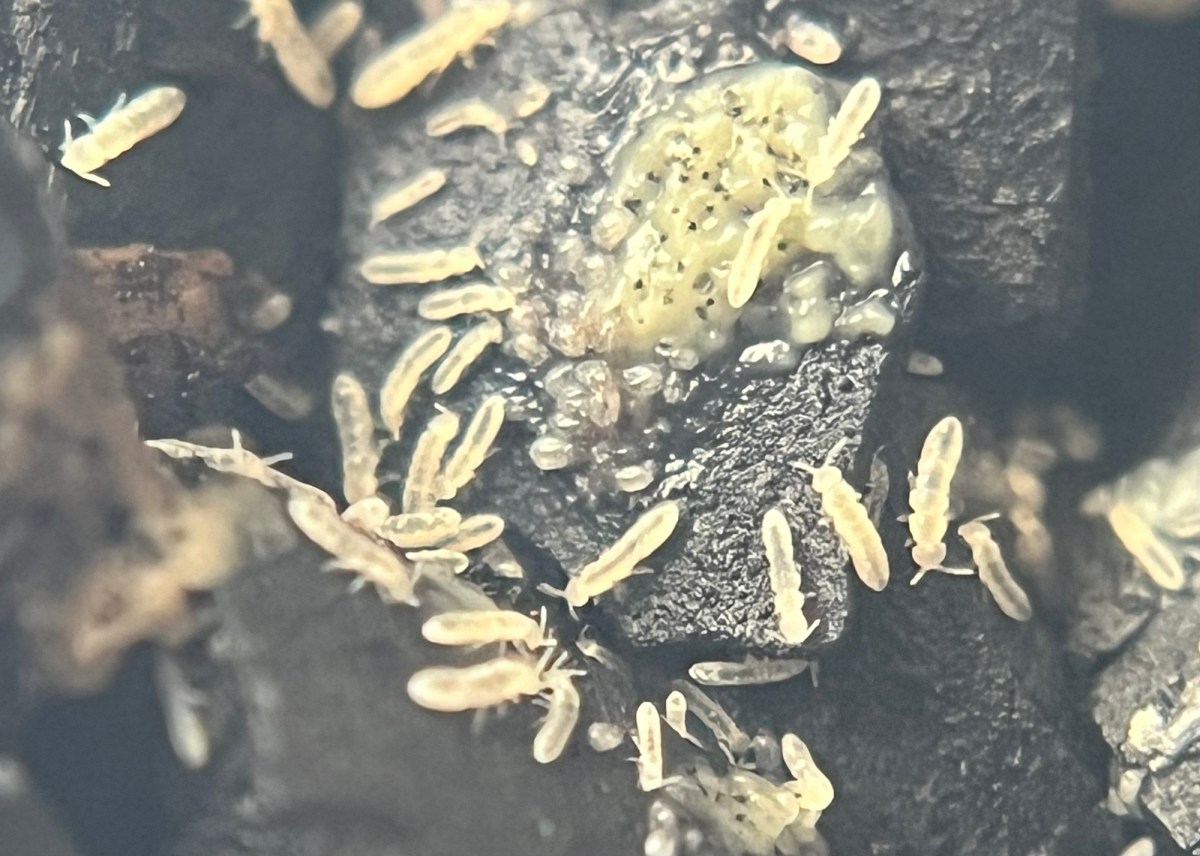
Beginning notes June 15th
Continue reading “Notes on the White springtail”Author: zooplank
Notes on Florida orange
Obersvational notes on the Forida Orange springtails (Neanura Growae)

Jun 15th – Beginning of observations Continue reading “Notes on Florida orange”
Beast of the Week: The Spotted Hyena

Is it fantastic? Yes
Where to find them: Central and Southern Africa Continue reading “Beast of the Week: The Spotted Hyena”
Beast of the Week: The Weaver Ant
Weaver ants take nest building to new heights by using their offspring as literal sewing machines. Also, they can shoot acid??
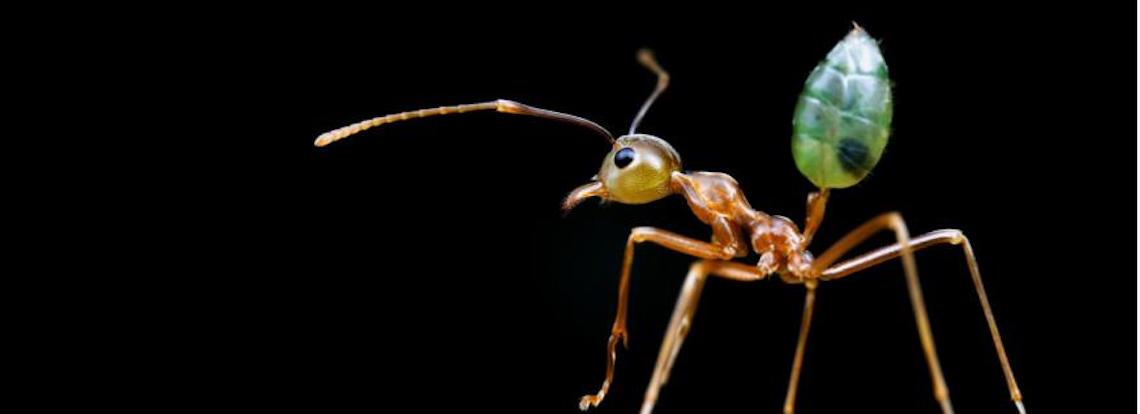
Is it fantastic? Yes.
Where to find them: Central Africa, South/Southeast Asia, Northern Australia. Continue reading “Beast of the Week: The Weaver Ant”
The Goliath of Bees Returns

After 35 years of presumed extinction, Wallace’s Giant Bee has recently been re-discovered in the Moluku islands of Indonesia. Known locally as raja ofu (which translates to “king of the bees”), this veritable giant was last seen in 1981 before its re-discovery by a search team in January of this year. Continue reading “The Goliath of Bees Returns”
Conferences Part 2: Master Mode

Since our original “how to” post on conferences, our correspondents have attended several academic meetings and are ready to deliver a Master class in making the most out of your conference experience. Continue reading “Conferences Part 2: Master Mode”
Noxious Noise: A frog’s response to a deafening world.

In order to provide space for the infrastructure of modern living, many natural landscapes are uprooted and the animals within them displaced. While reducing habitat loss for wild animals continues to be a central goal of environmental agencies, habitat loss is not the only impact of urban sprawl. Continue reading “Noxious Noise: A frog’s response to a deafening world.”
Systematics and understanding the Tree of Life
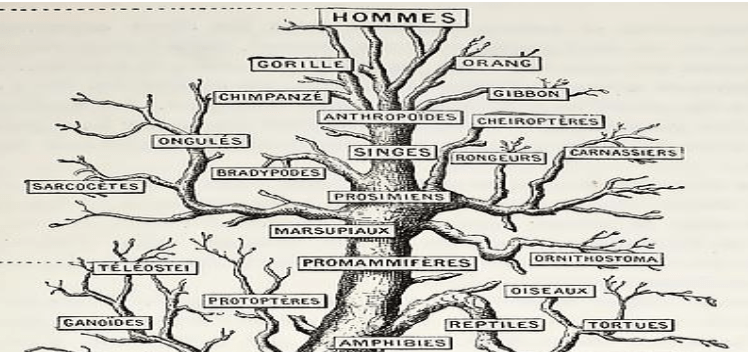
Most people have heard the expression “the tree of life”. Depending on your background, it may give reference to a tree that offers immortality to those who eat its fruit, or be the spring from which new life emerges. In evolutionary biology, the tree of life is an analogy to describe “when” different organisms emerged over the course of our planets history and “how” those organisms are related to one another. Continue reading “Systematics and understanding the Tree of Life”
A journey into the deep: A chat with Dr. Janet Voight

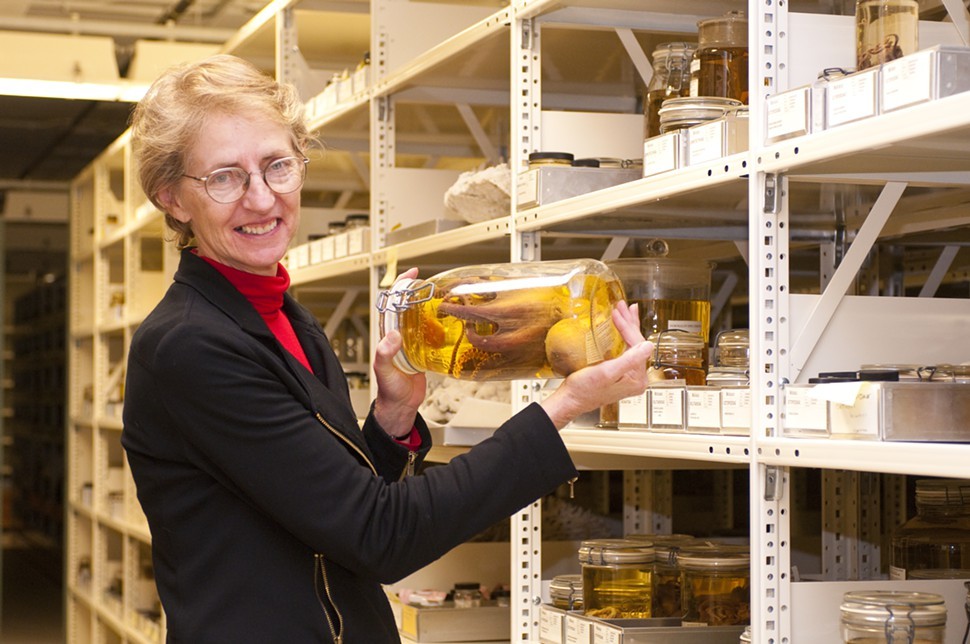
Dr. Janet Voight, the deep sea explorer

Janet Voight is a zoology curator at the Field Museum of Natural History, with a keen interest in octopods, clams, and other marine invertebrates. To study the ecology of these animals, she explores the depths of the ocean aboard Alvin, one of the few submersibles able to explore the deepest parts of the sea. Her participation in research cruises allowed her to observe novel octopus behavior as well as discover several new species, even genera, of animals including wood-boring clams and the closely associated flatworms that feed upon them. Continue reading “Dr. Janet Voight, the deep sea explorer”
 zooplank.com