
After 35 years of presumed extinction, Wallace’s Giant Bee has recently been re-discovered in the Moluku islands of Indonesia. Known locally as raja ofu (which translates to “king of the bees”), this veritable giant was last seen in 1981 before its re-discovery by a search team in January of this year. Continue reading “The Goliath of Bees Returns”
Category: Articles
Conferences Part 2: Master Mode

Since our original “how to” post on conferences, our correspondents have attended several academic meetings and are ready to deliver a Master class in making the most out of your conference experience. Continue reading “Conferences Part 2: Master Mode”
Noxious Noise: A frog’s response to a deafening world.

In order to provide space for the infrastructure of modern living, many natural landscapes are uprooted and the animals within them displaced. While reducing habitat loss for wild animals continues to be a central goal of environmental agencies, habitat loss is not the only impact of urban sprawl. Continue reading “Noxious Noise: A frog’s response to a deafening world.”
Systematics and understanding the Tree of Life
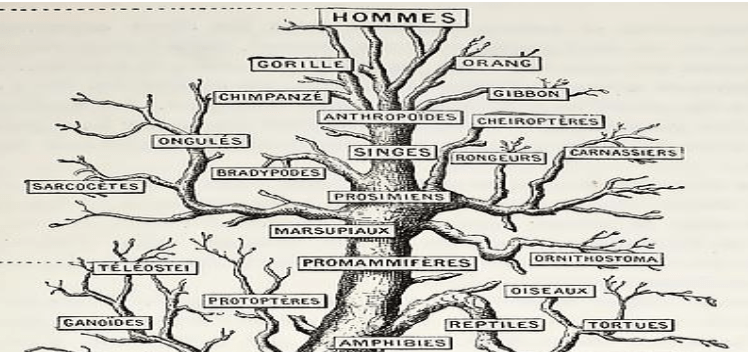
Most people have heard the expression “the tree of life”. Depending on your background, it may give reference to a tree that offers immortality to those who eat its fruit, or be the spring from which new life emerges. In evolutionary biology, the tree of life is an analogy to describe “when” different organisms emerged over the course of our planets history and “how” those organisms are related to one another. Continue reading “Systematics and understanding the Tree of Life”
Dr. Janet Voight, the deep sea explorer

Janet Voight is a zoology curator at the Field Museum of Natural History, with a keen interest in octopods, clams, and other marine invertebrates. To study the ecology of these animals, she explores the depths of the ocean aboard Alvin, one of the few submersibles able to explore the deepest parts of the sea. Her participation in research cruises allowed her to observe novel octopus behavior as well as discover several new species, even genera, of animals including wood-boring clams and the closely associated flatworms that feed upon them. Continue reading “Dr. Janet Voight, the deep sea explorer”
Face Off: Wasps trained to recognize cousins to avoid punishment
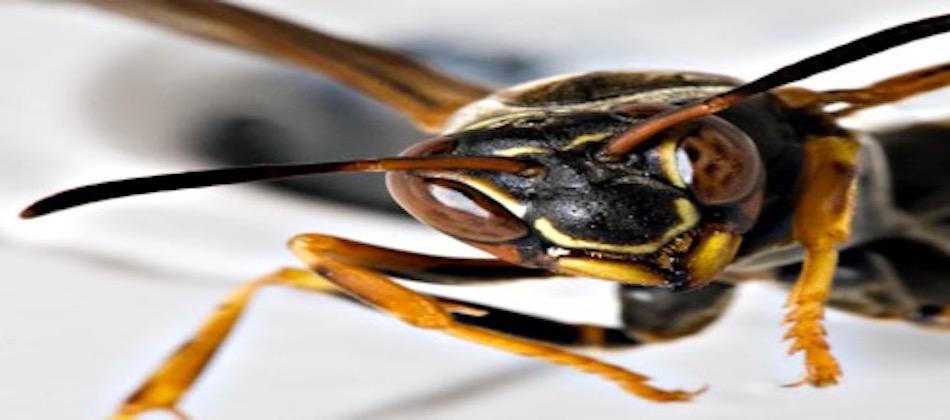
 Metricus paper wasps ( Polistes metricus; left top) at the University of Michigan have been trained to recognize the individual faces of a related species, the golden paper wasp (Polistes fuscatus), to avoid potential pain. Naturally, P. metricus lacks individual recognition, even among its own nest mates. With the lack of individual color variation and solitary nesting behavior of P. metricus, there has been no evolutionary need for recognition behavior to develop. This is in stark contrast to P. fuscatus (left bottom), whose unique facial patterns and communal nesting reinforces the need for individuals to recognize one another for continued cooperation. Each adult P. fuscatus’ face has a specific pattern, making each wasp uniquely recognizable. By raising individuals of these 2 species together, the normally oblivious P. metricus has gained the ability to not only recognize specific wasp faces, but to associate individual P. fuscatus images with pain and actively avoid them. Continue reading “Face Off: Wasps trained to recognize cousins to avoid punishment”
Spotlight: Algae
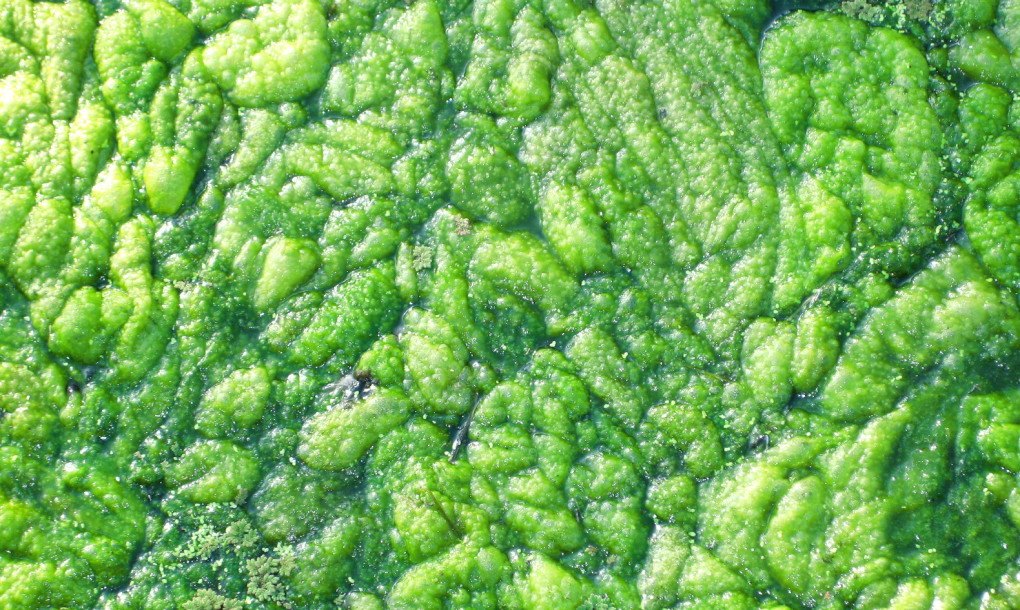
Most of us have heard the term algae used when we see that slimy green goo caked on rocks along the beach, or when we see a mold-like muck in the water of an outdoor Jacuzzi that’s overdue for a clean. You may have even heard of them in the news, with headlines reading “Dangerous algal bloom appears off the coast”. But what actually are algae? Are they plants? Fungi? Is it even alive or just some kind of aquatic debris that collects over time? And what purpose could they possibly serve? Continue reading “Spotlight: Algae”
Mariah Scott: The mussel queen

Mariah Scott is a 2nd year graduate student in the Biological Sciences Division at the University of Chicago. She was raised in Dearborn, Michigan; a diverse, suburban city most known for being the headquarters of Ford. With her parents and sister, growing up involved frequent road trips to Lake Michigan or the woods where her enthusiasm for the outdoors would frequently result in her clothes being caked in mud. This messy trait would later inform her career, as for years her research involved digging in the waterbeds of rivers and streams in the pursuit of her science. Continue reading “Mariah Scott: The mussel queen”
Spotlight: The Axolotl
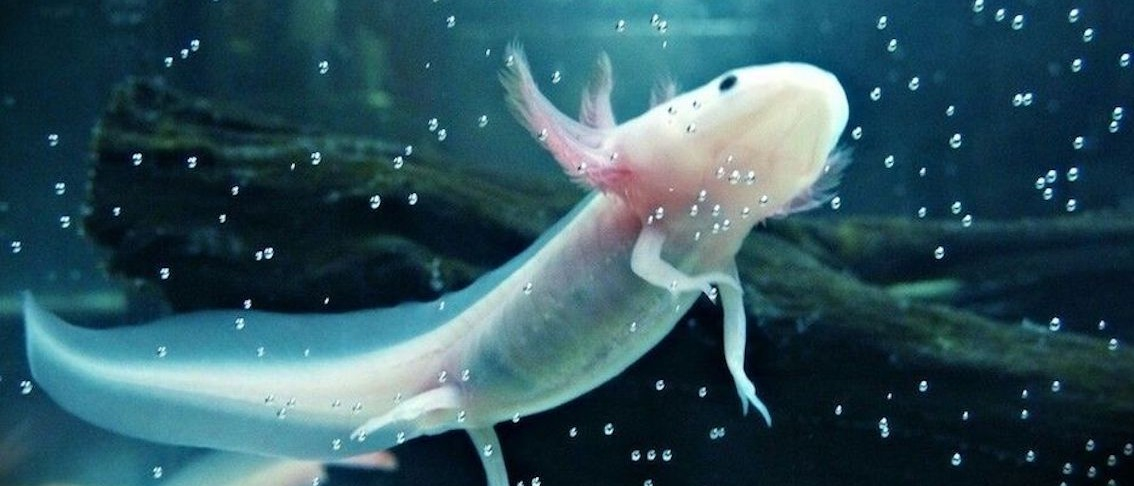
Hidden within Lake Xochimilco in Mexico City, lives the axolotl. With a collar made of gills and a paddle-like tail, this slow, slimy creature spends its days swimming along the lake floor, sucking up insects that come into its path. With its alien body and blank stare, this under water critter has been capturing the hearts of budding biologists and animal enthusiasts for decades. But what actually is an axolotl, and does it warrant all the hype it receives? Continue reading “Spotlight: The Axolotl”
First Conference? Ours too.
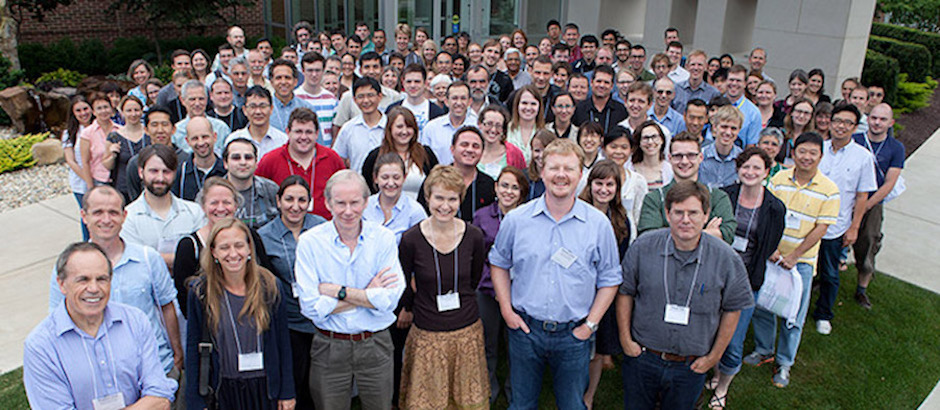
Oh, the world of academic conferences. A wealth of the biggest names in your field all clustered together for high powered talks, mingling, and possibly a little too much alcohol. Our senior correspondent attended the Animal Behavior Society conference in Milwaukee, Wisconsin and they’ve reported back the dos & don’ts to make sure you draw the most from your conference experience. Continue reading “First Conference? Ours too.”
 zooplank.com